Don’t Miss: Seventh Stanine Festival@RhizomeDC

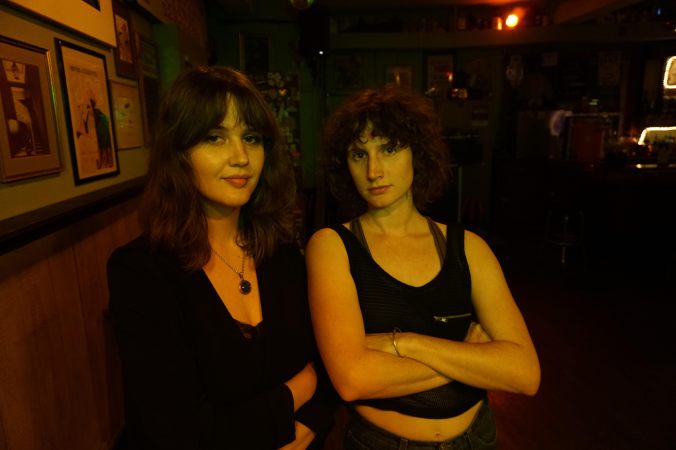
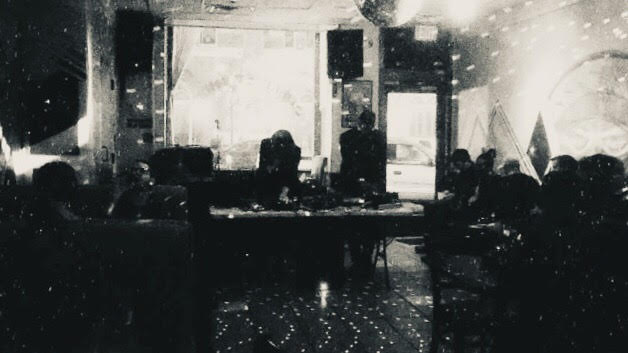
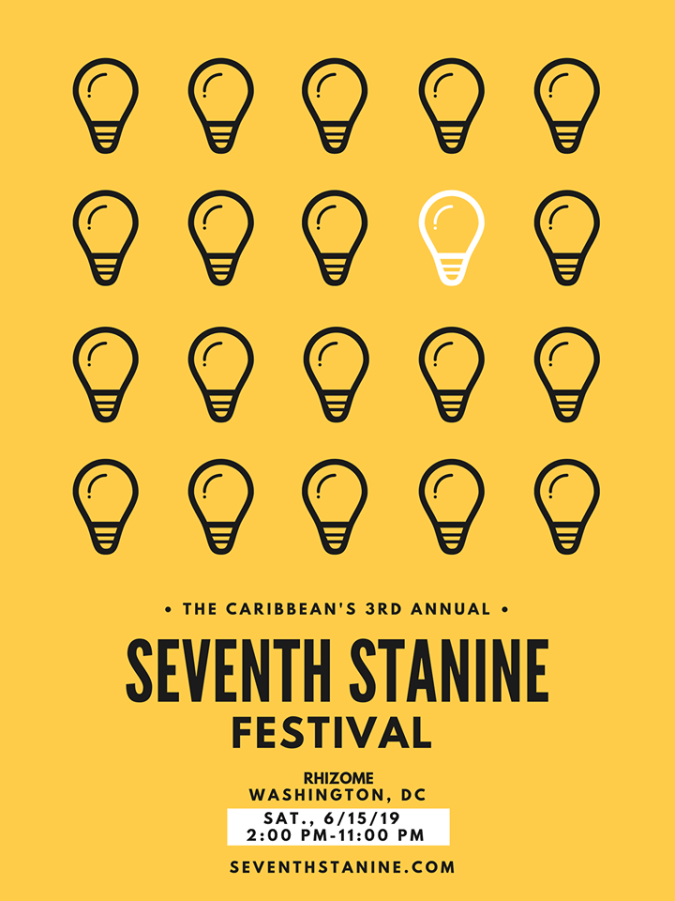
Reason number 3,465 to love RhizomeDC — the celebrated DIY house show venue is once again hosting the Seventh Stanine Festival, the annual live music festival curated by DC’s avant-psych pop weirdos The Caribbean.

The festival is happening Saturday, July 15th from 2:00pm to 11:00pm. I’m not going to tell you how to spend your precious weekend hours, but you really should consider going if it’s not already on your radar. The previous two were phenomenal and this year’s event looks equally impressive.

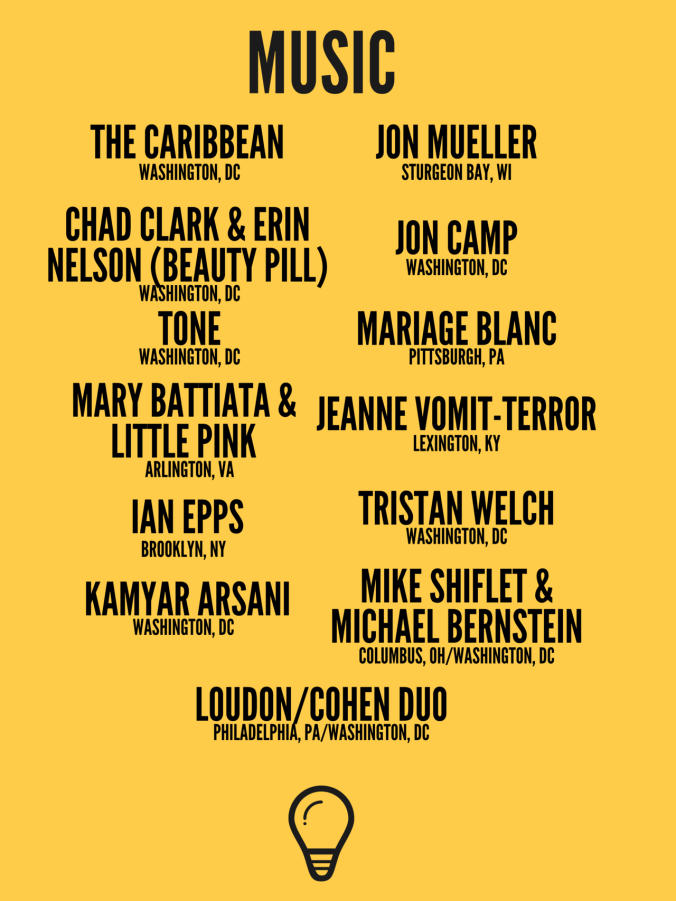
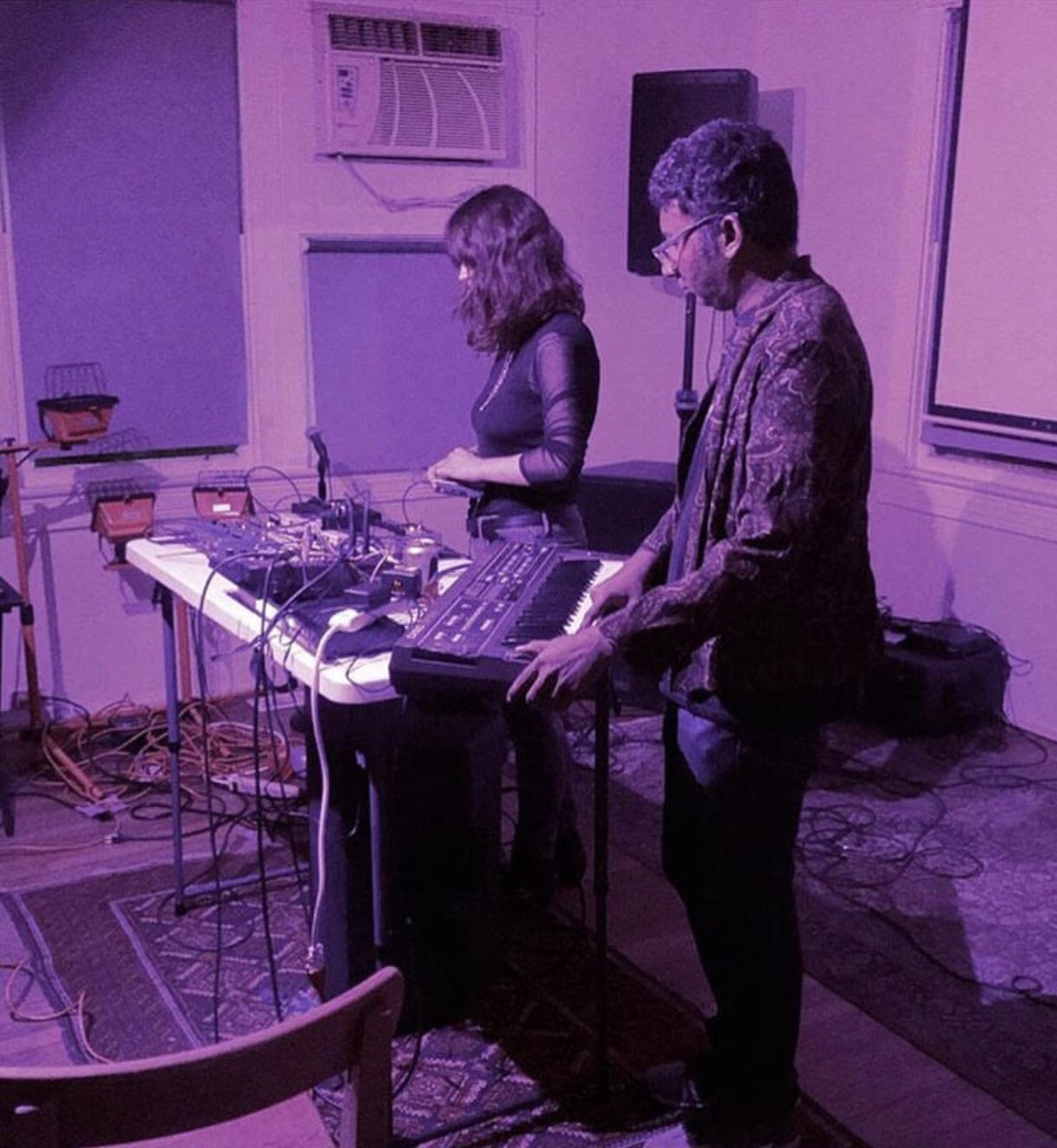
Attendees will get to see performances from Tristan Welch, Jon Camp, TONE, Kamyar Armani of Time Is Fire, Chad Clark & Erin Nelson of Beauty Pill, Mike Shirley and of course, The Caribbean.

Speaking of Mike Shirley, not only will he perform live, but his 24 hour-long “Tetracosa” will play continuously throughout the festival in an upstairs room, in a completely immersive environment.

Usually I’m not a fan of music festivals. I don’t like big crowds or festival venues. Seventh Stanine is the music festival for people who don’t like music festivals. The lineups are always idiosyncratic and interesting. The attendees are there for the right reasons. The vibe is chill and relaxed. It’s a great opportunity to hang out, make new friends and hear some amazing music.

Thank you Matt Byars, Dave Jones and Michael Kentoff for showing us all the right way to put on a music festival!

Check out the Spotify playlist of this year’s artists.

$20 suggested donation (100% of proceeds go to artists and Rhizome)

DJ sets by Marc Masters, Jim Thomson and Josh Harkavey

Full schedule here: https://Seventhstanine.tumblr.com/lineup

5 Questions: Twin Jude

IMG_0358
(Photo credit: Vanessa Dos Santos)

Few tracks have captured my imagination like Twin Jude’s “lvr bby blu.” The track begins with the sound of ocean waves crashing against the shore. Then the melody kicks in. Is that a guitar or a keyboard that sounds like a guitar? I love that I can’t tell.

Her music immediately strikes me with a gentle power that is both haunting and wistful. This is music that seems to have been created inside a dream — literal “dream pop.” At first, it strikes me as a bit Cocteau Twins-esque (latter period Cocteau Twins, but I digress…) and then — Jude’s gorgeous vocals arrive. Hearing her coo softly, then shift effortlessly into a singing style that’s intimate, emotional and filled with longing — pulls me in further. I just want to listen to this again and again and again.

I started to wonder about the person who made this music. What is she like? What’s her story? What inspires her to make such extraordinary sounds? I wondered if she might be an intimidating person. I had nothing to worry about. When I met Jude at a DIY music and arts show in September 2018, she couldn’t have been more approachable and easy to talk to. Of course, one of the things we talked about was the possibility of Twin Jude playing WE FOUGHT THE BIG ONE.

It took a while for the stars to align, but they finally did in June 2019. To my absolute delight, Twin Jude will be playing tonight’s WE FOUGHT THE BIG ONE. Our mutual friend Hannah Burris, who plays viola for TEETHING VEILS, COVEN TREE and now TADZIO, will be guest djing. It’s going to be an incredible night of music, friendship and celebrating DC’s underground arts community.

Leading up to tonight’s show, I had the opportunity to find out more about Twin Jude via e-mail in our 5 Questions feature. As you can see, Jude has a lot of interesting things to say about her creative process, what it’s like making music in DC as an LGBTQ person of color, and where her creative muse is taking her…

1) The music of Twin Jude has an ethereal, dream-like quality – it’s almost like a soundtrack for that strange period where we drift between being awake and sleeping. What draws you to such wonderfully moody and atmospheric sounds?

Jude: First, this feels like such a lovely compliment for me, so thank you. I think my inner world feels like much of what you described. As a child (and still as an adult), I had a very engaged imagination and found myself feeling in between worlds at times. My personal connection with the natural and spiritual world feel intertwined. When I am required to be immersed in just one facet of being (i.e. the material world as we know it, especially interpreted through capitalism) I feel cut off from who I actually am, and have to find some way to return back to this place or realm of my own creation. Something about the outer world around me always felt a bit off and “unreal” to me. I think I’ve always been searching for something more than what western society at large has presented to us. These atmospheric, dream-like sounds feel like inner-ruminations and searchings for what is beyond the veil to a world unknown.

2) Can you tell us a little about your creative process? What’s it like for you to put together a track like “lvr bby blu”? Do you usually start with a vocal melody?

Jude: I have several processes actually. It usually depends on the resources and tools I have available at the time. Often, I’ll have a melody stuck within me, drifting in and out of both my sub-conscious and conscious mind, and have an almost compulsive need to flesh it out. Other times, I will start by creating with my synth first. Layering patterns and sounds and finding someway to challenge myself in terms of melody instead of more traditional rhythms and vocalization.

“lvr bby blu” actually has several versions, and is actually much older than most know. The version released on “MĒM” was formed through collaboration, and is a complete recreation of one of the OG version taken much further. Originally I was working with one of my friends named Ainsworth. He creates amazing sounds in a duo called “Cruza.” He created much of the foundational sounds of “lvr bby blu.” A year and some change passed between us working together, I wanted to flesh it out a bit more than it’s previous state. My friend Machell André helped me recreate much of the song by implementing more samplings of my voice and rhythms completely altering the atmosphere. I don’t have many people that I am able to work with to be honest, but in this collaboration, I felt very supported and encouraged to articulate some of the sounds I wanted to shine through that I may not have had the language for at the time.

3) What’s your take on DC’s underground music and arts community? As a woman of color and member of the LGBTQ community with a unique sound, how has your experience been so far?

Jude: In my opinion, DC’s underground music and arts community is very nuanced and layered, and I am completely in awe and in love with this community as a whole. I wish more folks knew what a treasure we have here of individuals pushing themselves and their work forward into the unknown. I feel that especially the Black and brown folks in the scene are actively pushing to create a culture where we can celebrate each other, hold each other accountable, and build intimate connections and infrastructure of support for each other.

As a Black and gender-noncomforming individual, my experiences within the community have varied depending on the setting. All-in-all, I have found myself among some very loving and open people. There are times when people’s outward perceptions about my race or gender presentation have created polarizing situations for me.

Larger institutions have definitely let me down and showed me that no matter how “progressive” these institutions like to appear, there is still much work to be done in terms of accountability, equality and respect to Black, brown, and queer creatives in DC, and the distribution of resources to the beings that are literally giving their life-force so these same institutions can have “diverse programming”.

The community itself is growing and changing continually. Currently, there are some people within this community that I am so proud of and completely believe in. I feel that more people are finally showing up for black women, showing up and becoming more educated on how to support transgender individuals, holding each other accountable and requiring a certain level of transparency amongst each other.

4) You recently took some time off from playing live to focus on writing and recording – what was that period of time like for you? I know you released a new track in April.

Jude: It has felt like womb of development. I’ve grown so much. I’ve changed so much. My sounds have transformed and informed me of how I have internalized and processed certain experiences that have happened over the past year. At times, certain things that I’ve created have even surprised me, and cause to really reflect on what we call frequency and sound. I feel much closer to my most authentic self and my loved ones though, and very grateful for that time.

And yes, in April, I released a work called “Palm.” It is actually a re-work of “té”. This re-work came about as I was preparing to open for Yaeji last year at Flash with No Intimate. It really struck a cord, and I wanted to be able to release it into the world as I was still developing and exploring other sounds.

5) What’s next for Twin Jude? Are you looking to make a full-length album in the near future? Or will we see more individual track releases and/or EPs?

Jude: I’m actually very excited to be releasing some new works as part of a collection very soon…I think I’d much rather have the work speak for itself in the manner that it decides to come out.  🙂

Listen to Twin Jude and buy her music on Bandcamp. Explore Twin Jude’s website and follow her on Twitter.

And check out Twin Jude’s live performance at the Friday, June 7th edition of WE FOUGHT THE BIG ONE at Marx Cafe (3203 Mt. Pleasant St. NW DC 20010) at 10pm.

IMG_0352
(Photo credit: Vanessa Dos Santos)

Preview: WFTBO w/Twin Jude & guest dj Hannah Burris

Here at the Big One blog, we’d like to think EVERY edition of DC’s monthly left-of-center music night WE FOUGHT THE BIG ONE is special. However, this Friday’s WFTBO is why the word special was invented.

For starters, the enigmatic and magical TWIN JUDE is playing…

Twin Jude pic

Who is TWIN JUDE? In the words of the artist herself, TWIN JUDE is “an experimental, interdisciplinary artist continually moving throughout the portal that is Washington DC.” In the Washington City Paper’s 2018 People Issue, Matt Cohen referred to TWIN JUDE as “one of D.C.’s most innovative artists.”

Pop over to TWIN JUDE’s bandcamp page and click play. It’s immediately apparent that TWIN JUDE occupies a unique aesthetic and vibe all her own. The track “lvr bby blu” encapsulates her appeal — evocative melodies that drift in and out of the sonic ether, leaving an aroma of erotic sensuality, melancholy and longing.

TWIN JUDE has been taking a break from playing live to focus on making new music. This Friday’s show marks a welcome return to the stage for her. Watching her performance from the cozy confines of the Marx Cafe will be next level awesome.

And then there’s the records. What would WFTBO be without records? Brandon and I are bringing loads of new and old favorites to play, and we’re especially chuffed that HANNAH BURRIS (Teething Veils/Coven Tree/Tadzio) will be joining us behind the turntables.

IMG_1417

HANNAH is best known in DC’s underground music scene for her unmistakable artistry with the viola. She has become an integral part of every music project she is involved in — whether it’s adding layers of emotion to Greg Svitil’s stellar songwriting in TEETHING VEILS, partnering with the talented Alexia Gabriella in COVEN TREE to weave together viola, cello and electronics, or providing an extra level of majesty to the dazzling sounds of TADZIO.

But here’s the thing — HANNAH is one of us. She’s a record geek. Every time she djs, I learn about an amazing record I hadn’t heard before. Brandon and I can’t wait to hear what she’ll be playing Friday night at the Marx Cafe

Won’t you join us?

Friday, June 7
WE FOUGHT THE BIG ONE
w/Twin Jude
& guest dj Hannah Burris
@Marx Cafe
3203 Mt. Pleasant St NW
10pm – 3:00am
NO COVER  21+
FB event page

june2019


5 Questions: Selena Benally

Photo by Luther Lux Photography

Like many DC area musicians, singer/songwriter Greg Svitil (Teething Veils/Silo Halo) is more than an artist — he’s an advocate and a champion for other local sound creators. So when I asked Greg to curate the May 3rd edition of We Fought the Big One, I knew he would select a special artist worthy of our attention. And with Selena Benally, Greg delivered in spades.

Selena isn’t just a sound creator — she’s a catalyst for creativity. Check out Greg’s “5 Questions” with Selena Benally below to learn more about her vital role in DC’s underground music scene. Take it away Greg…

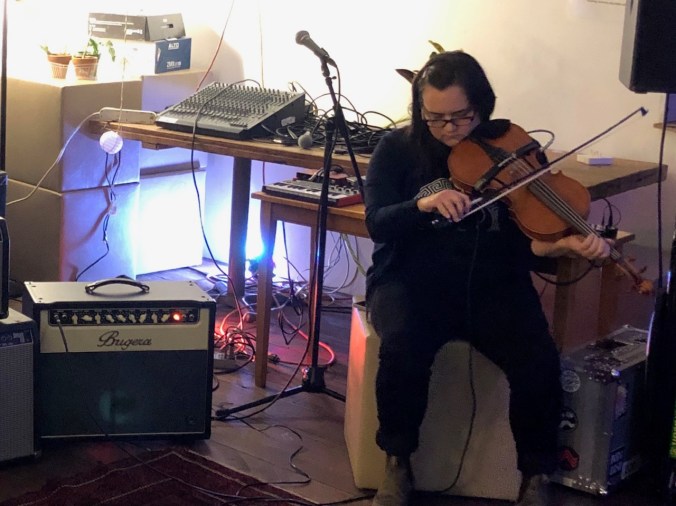
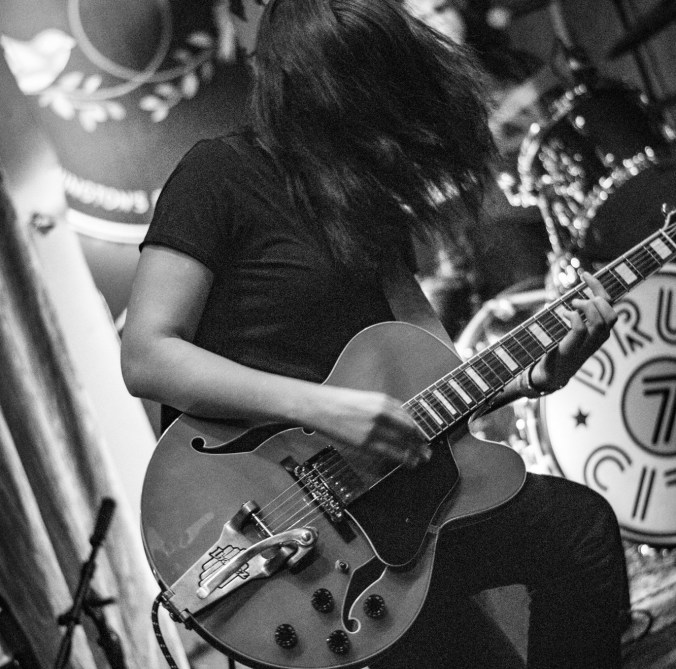
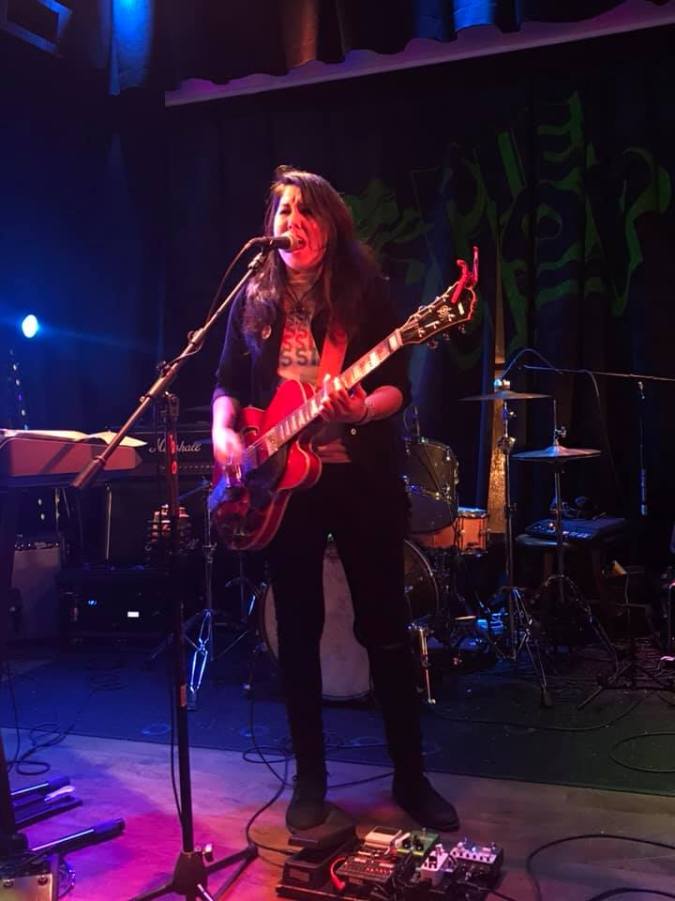
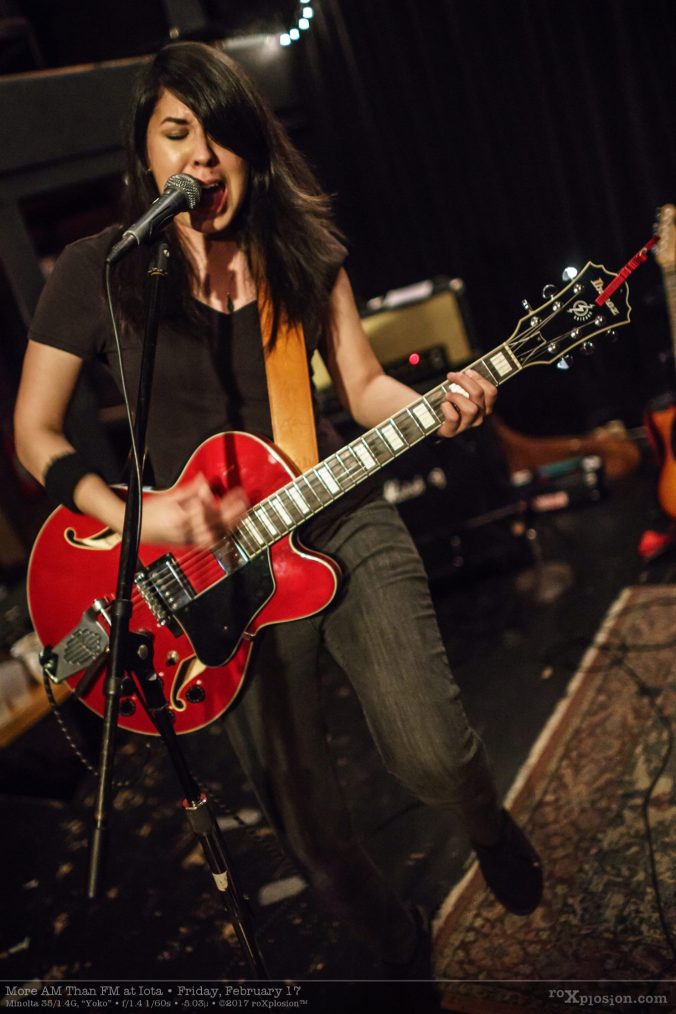
Greg: I arrived late to the More AM Than FM party. It was the spring of 2018, and I stepped into Songbyrd for the first annual Womxn Fuck Shit Up festival. In a day that featured one outstanding performance after another, among those that struck the deepest, most visceral chord within me was that of More AM Than FM. The power trio (drummer Anjalee Sharma, bassist/vocalist Melanie Mast, and guitarist/vocalist Selena Benally) harnessed not just the intensity of The Jam, Girl in a Coma, or The Gits, but the brilliant songwriting craft and mechanical precision that makes a great band legendary.

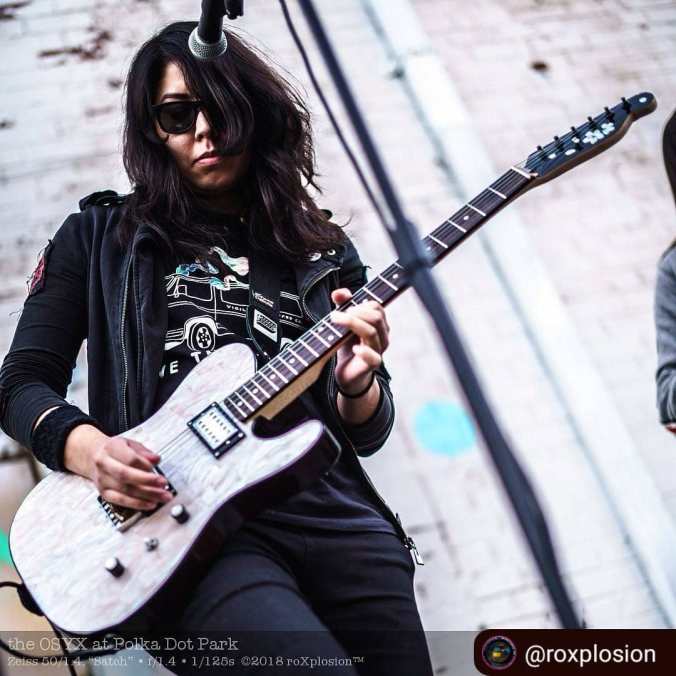
Formed in 2012, More AM Than FM have released two rapturous bodies of music—Off the Ground (2015) and Oh, the Places I’ve Been (2017)—and have new songs in the works. Selena not only infuses her gutsy guitar playing and exhilarating singing into the music of More AM Than FM, but also into that of The OSYX, the incredibly heavy force of a band that also features members of Fuzzqueen, Pagan Reagan, RadaR, and Honey Kill.

Along with her OSYX bandmates, Selena helps to run This Could Go Boom!, the outstanding record label that serves as a home for the creative output of under-represented and gender-diverse people. A few years back, she also took part in Ragnar Kjartansson’s Woman in E piece at the Hirshhorn, for which participating performers stood one-at-a-time on a pedestal, strumming an E chord. Selena has taken time out of her busy schedule to respond to a few questions. Thank you, Selena.

Photo by Greg Svitil

1) More AM Than FM has been going for several years now, you’re also a member of the OSYX, play solo shows, and who knows what other projects you have going. How do you maintain your energy level with all your projects? As a songwriter, are there differences in how your music takes shape from one band to another? When a song sparks, at what point might it become clear where its home might be?

Ever since I started playing with The OSYX, and working with This Could Go Boom! I have been super busy. One thing I’ve had to make sure I keep in mind is to know when to chill out, and take some time for myself. I live in Southern Maryland so coming home after spending several days a week in and around the city feels like a retreat. I can take a walk in the woods, go down by the river and just clear my head.

For the most part most of my songs would be geared toward becoming More AM Than FM songs. A couple lighter tunes would just stay acoustic songs that I perform solo.

The OSYX has been a cool, collaborative band since the start. We have 4 different singers, and songwriters so there’s a wide array of songs that are being created. Any songs I have brought into the band separately were ones that aren’t as punk-sounding as MATF tunes, or ones I thought could use the specific vocal, and multi-instrumental talents of my OSYX bandmates.

I have been getting back into More AM Than FM mode lately. We are going to start playing shows again this summer, and will hopefully have some new songs to record, and release.

2) I wonder if you could walk us through the writing process of the songs on “Oh, the Places I Have Been…”, musically as well as lyrically? How does your subject matter come to be?

“Oh, the Places I Have Been…” has kind of always seemed like “Off the Ground” part 2, ha. I always like to look for a theme once the albums come together so I can at the very least find a good name for it. Mostly “Oh, the Places..” is a collection of songs written after our first release. We did re-record the song “45” because we had a couple new ideas for it, and realized we were also better at playing it since first recording it.

The subject matter is all based on specific personal experiences. With the exception of “Cassilly.” That is a story loosely based on a family member on my mom’s side, Cassilly Adams. He was an artist and was the one who painted “Custer’s Last Fight” funny enough. We have an old suitcase that was handed down full of photos, letters and stories. I thought his was a cool enough story to build a song around, and add a little MATF flare to.

Photo also by Roxplosion

3) Could you tell us about how This Could Go Boom came to be? Do the members of the collective each have particular roles, and/or does it vary from one project or event to another?

This Could Go Boom! is a non-profit record label created by the members of The OSYX. Everything has been happening pretty quickly. The OSYX had our first show last June, and really felt the support of our community. We wanted to keep that momentum going so we decided to start the label so we could share that energy, and expand it into something useful that the DC area could benefit from. We have goals of expanding our reach outside of the area as well.

We work and make decisions collectively, but given different projects one of us may take the lead on it. We all have different skills that come into play at some point or another, so it has been cool to see the roles each of us take on outside of knowing each other as musicians.

4) I understand that you also work as a graphic designer; you seem to live and breathe creativity. In what ways does your musical life inform or complement your life as a designer, or vice-versa?

My work as a graphic designer came second to my music. I mean I have always made art in some capacity, but the actual design skills I developed later definitely came in handy as far as being able to create graphics, and album art for the band. I definitely look closer at design other bands use and have a greater appreciation of the work that goes into building their whole vibe, and visual experience. I’m grateful to have been asked to create art for other local bands and artists as well.

5) How did you become involved with Ragnar Kjartansson’s Woman in E? What was the experience like for you?

I had seen postings in Facebook groups about the exhibit, and how they were seeking women musicians in the area. I read the description and at first it didn’t seem like something that was very “me”. Wearing a full-length gown and heels, very feminine makeup and all of that. But I didn’t want to pass up a potential opportunity. I auditioned and was accepted as one of the 14 women.

It really felt like a social experiment. Being on display, standing still on a rotating pedestal for 2 1/2 hours, and only playing one chord. Some people didn’t think we were real people. Some people would get really close, while others shied away. Some didn’t even enter the “room,” instead just peeked through the gold tinsel. It was interesting to witness viewers’ responses to the piece.

Photo by Roxplosion

Check out the Bandcamp pages for More AM Than FM and The OSYX!

Check out the website for This Could Go Boom!

And be sure to catch Selena Benally at the May 3rd edition of WE FOUGHT THE BIG ONE!

YouTube Playlist: 15 Years in 15 Songs

Hard to imagine, but WE FOUGHT THE BIG ONE has been flying the flag of classic post-punk, mutant disco and left-of-center weirdness at the Marx Cafe (3203 Mt. Pleasant St NW, Washington DC) every first Friday night for the last 15 years. That’s quite a run. Along the way, WFTBO has become much more than a dj night to me and my WFTBO comrade and co-conspirator Brandon Grover (aka “Brando Calrissian”).

Over the last 180 first Fridays, Brando and I have made many great friendships, downed countless beers and sashayed to God knows how many strange records. WFTBO became our sanctuary — the one night a month we could always count on to hang with friends, hear good music, have interesting conversations and take a breather from the mundane stresses of our daily lives. We’re so grateful to everyone who has supported us and made WFTBO what it is today — especially Marx Cafe proprietor Aris Dallas.

So to celebrate 15 years, here are 15 tracks that attempt to sum up what WFTBO is all about…

  1. Brian Eno – “Needles in the Camera’s Eye” (1974)
  2. Modern Lovers – “She Cracked” (1972 demo)
  3. Echo & the Bunnymen – “Read It in Books” (1979)
  4. The Lines – “Nerve Pylon” (1980)
  5. Suburban Lawns – “I’m A Janitor” (1981)
  6. Suicide – “Ghost Rider” (1977)
  7. Simple Minds – “Thirty Frames A Second” (1980)
     
  8.  The Chameleons UK – “Swamp Thing” (1985)
  9. Abecedarians – “They Said Tomorrow” (1984)
  10. Medium Medium – “So Hungry, So Angry” (1981)
  11. Vivien Goldman – “Launderette” (1981)
  12. ESG – “U.F.O.” (1981)
  13. Killing Joke – “Tomorrow’s World” (1980)
  14. Julian Cope – “Kolly Kibber’s Birthday” (1986)
  15. New Order – “Turn the Heater On” (1981)


YouTube Playlist: Michael Kentoff, Chester Hawkins & Chris Videll

One of my favorite things about co-hosting the long-running monthly WE FOUGHT THE BIG ONE music party in Washington DC is bringing together so many different and deliciously geeky perspectives on what we loosely refer to as “left-of-center” music — music that you’re unlikely to hear through most mainstream channels.

This 15-track YouTube playlist with commentary perfectly encapsulates what I’m talking about. With five tracks each selected by The Caribbean’s Michael Kentoff, Chester Hawkins and Chris Videll, this playlist runs the gamut from abstract minimalist techno and obscure tropicalia to dub-infected krautrock and classic Slumberland faves.

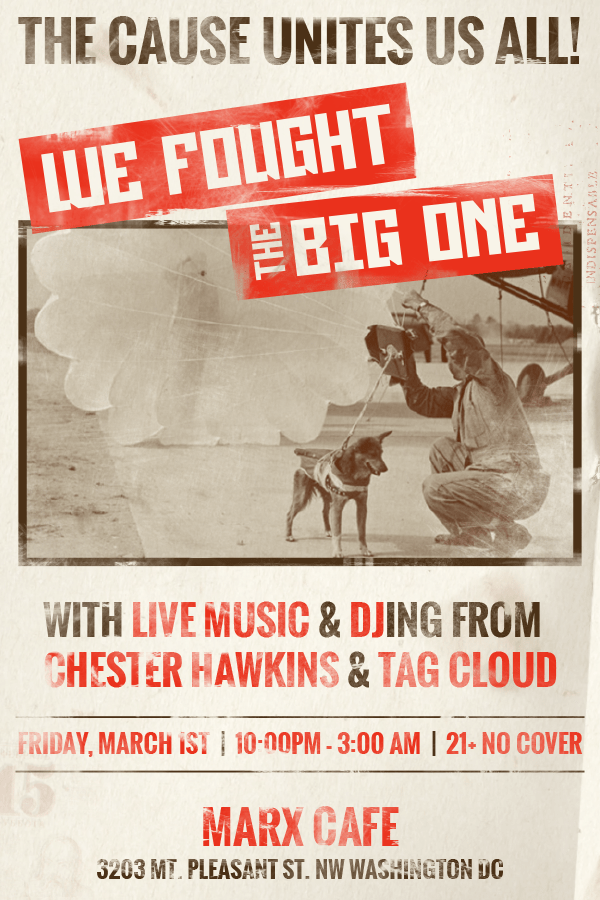
Good news for us, then, that Michael, Chester and Chris will all be taking turns behind the turntables at the March 1, 2019 edition of WE FOUGHT THE BIG ONE. Enjoy whetting your appetite with their smashing selections below…

MICHAEL KENTOFF

Michael Kentoff

Bill Ding – “Make It Pretty” (1997)

Michael: “At a record store in Chicago in 1996, I heard the record Bill Ding and The Sound of Adventure and was like WTF? It sounded (and sounds) like nothing I’ve ever heard. Turns out Bill Ding was a project by John Hughes III and Dan Snazelle. My former group Townies wound up recording an EP with John in 1997 (still a favorite of mine) at the Hughes family compound on the Illinois-Wisconsin border. John picked us up at Midway in his white Ford Bronco and promptly played us the new, yet-to-be-released Bill Ding record, including the first single “Make It Pretty” – it was a memorable drive. The weekend recording session, from which I learned a ton, included dinner with John’s family wherein I had the opportunity to discuss Kubrick with John’s dad, the director and writer of Sixteen Candles. Bill Ding music takes me back and thrusts me forward.”

The Whatt Four – “Dandelion Wine” (1967)

Michael: “I’m not necessarily old enough for this to take me back. I discovered this recently on an amazing Ace Records comp Happy Lovin’ Time. The Whatt Four, a quartet from Riverside, CA, recorded this beautiful, mysterious song with the legendary Bakersfield producer Gary Paxton in 1967. I listen to it constantly – like a mental patient.”

Monster Rally – “Vaqueros De La Isla” (2017)

Michael: “Monster Rally was probably a WIRE magazine discovery for me. Ted Feighan of Cleveland, OH is Monster Rally. He obviously crate digs lovely exotica and makes it even more magical through samplers and sequencers. If I had this album (Flowering Jungle) on vinyl, I’d play it at WFTBO.”

Arpanet – “Wireframe Images” (2002)

Michael: “Arpanet is a project by the surviving member of one of my favorite groups, the Detroit techno duo Drexciya. Gerald Donald made this record as Arpanet in 2002. His work has become progressively more abstract, but no less cool. I love Arpanet, though, because it still swings like a motherfucker.”

Jane Weaver – “I Need A Connection” (2014)

Michael: “UK songwriter Jane Weaver’s most recent album, Modern Kosmology, is one of my favorite records of the past couple of years. I play it often and I’ve played it quite a bit at prior WFTBOs. Rick went fucking ape the first time I spun it, so I thought I’d throw in an earlier song that’s just as addictive as her most recent stuff. Dying to see Jane live.”

CHESTER HAWKINS

Chester Hawkins9179

Moebius & Plank – “News” (1979)

Chester: “First heard this LP at age 12 and it re-wrote my brain immediately. It was also my introduction to the work of Dieter Moebius, who remains a huge influence today.”

Hawkwind – “Opa Loka” (1975)

Chester: “Another one from early childhood that stuck with me for a lifetime. Perfect blend of motorik rhythm + classic 2-note bassline with atmospheric flourishes. It could go on for hours… it SHOULD go on for hours.”

OSE – “Orgasmachine” (1978)

Chester: “Heldon-related project (Pinhas & Auger from Heldon + Hervé Picart) — A charming bit of late-70s French electronics which holds up beautifully.”

Chrome – “New Age” (1980)

Chester: “Infinite classic. I found Chrome during DC’s suffocating late-80s hardcore era and it was a breath of magical clean air. Dystopian anti-wave for Ballard readers and irredeemable acid eaters.”

Qluster – “Perpetuum” (2018)

Chester: “Saving this for last in honor of the lateness of the hour when WFTBO closes shop. A perfect balm for 3am space travel, Qluster’s latest marks a return to sequencers and electronic patterns. Roedelius & co. never fail to deliver unique stretches of headspace.”

CHRIS VIDELL

Tag-Cloud-Chris-Videll-252x300

The Normal — “T.V.O.D.” (1978)

Chris: “A brilliant single, Warm Leatherette b/w T.V.O.D. BLK TAG recently did a deconstructed live cover of T.V.O.D.”

The Lilys — “February Fourteenth” (1991)

Chris: “A favorite on Slumberland. I’ve played this one before at Marx. And another one with a fantastic B side.”

Stereolab — “Cybele’s Reverie” (1996)

Chris: “We were talking about favorite singles from the ’90s the other night, and this Stereolab came up.”

Flying Saucer Attack — “Wish” (1993)

Chris: “I have almost everything Flying Saucer Attack released, but not the ‘Wish’ 7 inch. I really hope for a singles collection from FSA one day.”

The Chills — “Rolling Moon” (1982)

Chris: “Realized the other day I hadn’t listened to this in a bit. And since The Chills will have played here by the time this is out…”

Want more? Be sure to check out the Friday, March 1st edition of WE FOUGHT THE BIG ONE at the Marx Cafe (3203 Mt Pleasant St NW DC)!

March2019

5 Questions: Chester Hawkins and Tag Cloud (Chris Videll)


Let’s talk about punk. Not the kind that’s associated with a complacent form of perceived rebellion. And not the kind that’s associated with “confrontational” clothing or a certain hairstyle. And certainly not today’s watered-down, pre-pubescent-friendly iteration.

I’m talking about ACTUAL punk — the sonic equivalent of throwing a hand grenade onto a giant pile of musical conformity. ACTUAL punk smashes the system in ways you’re not expecting. Case in point: Chester Hawkins and Chris Videll, two of the District’s most interesting purveyors of non-conformist, experimental music.

On the surface, Chester and Chris couldn’t be further removed from what’s commonly perceived as punk. But don’t be fooled by their disarming smiles, affable personalities and armada of synthesizers. These chaps are punk as fuck. And more importantly, Chester and Chris have carved out their own individual sonic spaces in DC’s ever-expanding world of avant-renegades.

Chester, in particular, has a long and storied history of demonstrating that punk comes in more shapes and sizes than crashing guitars and furious sneers. In fact, Chester might be the first to tell you that punk can sometimes come in the form of … a bunny suit.
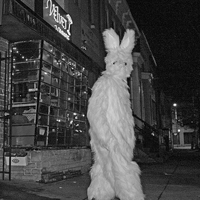
Blue Sausage Infant

Blue Sausage Infant 5nov09 at the Velvet Lounge, Washington DC

Nearly 10 years ago (November 2009), Chester donned said bunny suit when he played what was the inaugural We Fought the Big One live music showcase at the Velvet Lounge in NW DC (along with DC noisemakers Screen Vinyl Image and NYC post-No Wave super-group Outpost 13 — it was quite an event). I’m still convinced that I’ve never seen something so visually adorable juxtaposed with sounds so harrowing and surreal.

Chester has been pushing the boundaries of sonic possibility in our nation’s capital for more than three decades. The man continues to write, record and release albums that defy expectation and easy categorization. My personal favorite of the Hawkins’ oeuvre is the “Natural Causes” LP from 2017. Blurt magazine called the album “one of the more satisfying electronic albums in recent memory, a deft balancing act between experimental music, dark psychedelia and pulsing Krautrock.” You should pick it up.
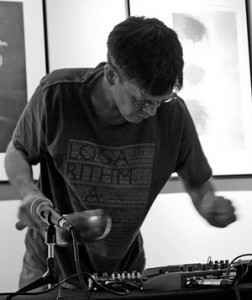
Tag-Cloud-Chris-Videll-252x300

Under the nom de plume Tag Cloud, Chris Videll has traded in the kind of gravity defying, ambient soundscapes that’s eerily reminscent of 1970s “kosmische muzik” favorites like Cluster, Harmonia and early Tangerine Dream. Tag Cloud has been releasing records since 2012. If you haven’t heard Tag Cloud before, I recommend checking out “Pattern Recognition” from 2017 on Versus Records. You can thank me later.

With Chester and Chris collaborating for the first time in a live show context at the March 1st edition of We Fought the Big One, I thought it would be a good time to ask these fellas more about making such adventurous music in DC.

1) You guys have both been part of the DC underground music scene for A LONG TIME. Obviously, a lot has changed over the years, with venues, labels and record stores coming and going. What do you see as the biggest difference between the scene today and how it was when you first became part of it? 

CH: Big question! I started this madness in 1985, which was another age. Cassettes were the only option and (pre-internet) we were stuck with the slow pace of the postal service and the whims of ‘zine publishers. Our “internet” was record-store gossip and ads in Unsound, Factsheet Five, etc. One big difference now is the ease of sharing music: the means of production & distro are everywhere, which can only be a good thing. But of course sites like Soundcloud quickly became the place where everybody’s random flatulence could be distributed globally, with no effort. As a listener it’s impossible to filter the gems from the crap. BUT: here in DC at least, there’s been some lingering energy with indie record-stores. Like beautiful cockroaches they refuse to die, bless’em… so there may be hope for the old organic networking routes yet.

Chris: Some of the folks that were my introduction to the scene were actually doing it for quite a while before I became aware of it. That goes back to early Blue Sausage Infant days, New Carrolton, Stolen Government Binder Clip, and the like. But I guess I have been around for a while now, too. A big difference to me is that for the most part there’s no longer a regular experimental music series like Sonic Circuits, the Electric Possible, or Audio Vortex. Currently Rhizome DC fills that gap, but it seems like there are fewer venues for underground music outside that. I also have my list of sadly missed record shops, but fortunately we have some really good new ones.
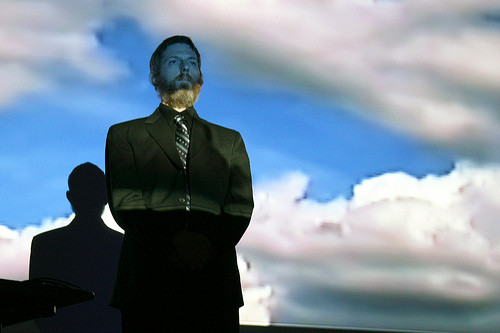
A-1886084-1307727341.jpeg

2) Making non-pop music like you both do – or to use Jeff Surak’s phrase “music of the non-entertainment genre” – music that by its nature asks the audience to engage on a deeper level – is really a different kettle of fish in more ways than one. Have you figured out yet what drives you to make the music you do? I have nothing to prove this, but I feel like you guys have different motivations than the local indie rock band that plays Galaxy Hut on a Monday night.

CH: I have a terrible problem with earworms. If I catch a tune with a sticky melody, I WILL carry it in my head non-stop (awake and asleep) for a month or more. One notable example went on for years. So I’ve developed a love of “grey music” — without hooks or edges. Music based on drones, fog textures, or motorik patterns allow me to enjoy music without the earworm hangover. So in my own material, I strive for “ultimate grey”; a music with plenty of dynamic flow, tension/release, all that — but without the melodies and hooks that cause suffering. It should be like a half-finished work, where the listener’s job is to finish the piece by being engaged and focused. Does that answer the question?

Chris: The motivation that got me started was watching people play Sonic Circuits and the like and being presumptuous enough to think, ‘Hey, maybe I can do something like that too?’ But mostly it’s the idea of creating these sort of immersive sound environments. When people tell me something was meditative for them, I feel like it worked. If they have that reaction that’s hopefully an active listening experience. So maybe that’s different from that band at the Hut on a Monday? Although I have done a couple of Mondays there before myself and have been seeing bands there a pretty long time.
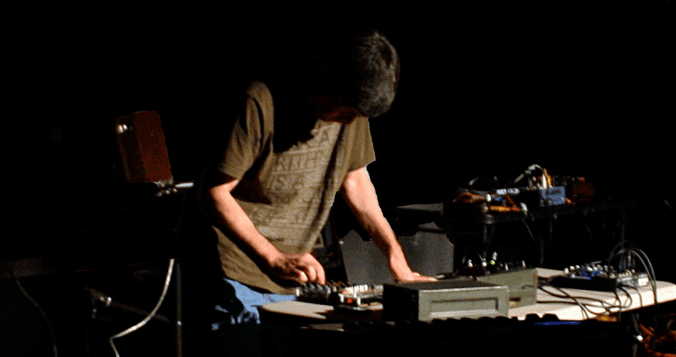
Tag-Cloud-1-Rectangle-crop-black-background2

3) As you continue to make and record new music over time, how important is it to – to borrow a phrase from Roxy Music – “remake/remodel” and try something completely different to what you’ve done before?

CH: Remake/remodel? I call it very important but not required because sincerity is FAR better than innovation. An artist’s music should evolve naturally, with life and age. In some cases, rehashing earlier techniques might be the best way to do a piece, but avoiding a method simply because it’s been done is just ego noise. A piece will be what it needs to be, damn the past. I try to maintain a 50/50 partnership between me & my own material. That kind of makes NO sense, which is perfect.

Chris: It’s pretty important, but like Chester points out, development should always organic. I haven’t done a few things I would like to mostly because of limitations in my recording setup. The original idea was to have more acoustic drone along with the electric. That will come back around sometime. I’ve thought about doing something much more noise oriented at some point, too. Under a different project most likely. Playing in several different projects (BLK TAG, Lab Mice, etc.) and doing different collabs also hopefully gives me new ideas for my own projects.

4) I’d like to take a moment to ask both of you – what is it about the other’s music that speaks to you and makes you want to collaborate?

CH: Ah! Videll’s project Tag Cloud has been a breath of fresh air since it began. He’s got an instinct for textural balance that makes his drone pieces almost too active to be called “drone,” but the pacing is magnificent. I’ve been envious of that patience for ages. It’s the ability to let a thing unfold without fuss. He’s able to produce sounds and vibes that are very sympathetic to 1970s kosmische LPs, but carry a 21st-century gravitas. I feel like we’re coming from different angles of the same center, and collaborating is like seeing that center from all sides at once. A rare treat.

Chris: Chester takes a lot of influences that I dig (psych, krautrock, industrial, concrete) and makes something original and personalized out of them. Hard to do. And it’s still evolving in really interesting ways. He’s been at it for a while, too, so there’s a wealth of experience to learn from. Most of all it’s fun to collaborate.

5) What gives you greater artistic satisfaction and fulfillment – writing and recording or the live performance?

CH: With Blue Sausage Infant it was all about live action: bring a truckload of electronic toys to a venue and roll around in a mad freakout with animal costumes, confetti-guns + strobe-lights, hypnotic rhythms, psychedelic projections, etc… Since then it’s shifted mostly into studio-work. It’s much more of a hermit composer’s trip now. The new work is more focused on audio science, charting dense harmony clusters and such. Also, DC doesn’t seem to have the live-venue support it used to, for this kind of thing. I’ve been hatching evil plans to play out guerrilla-style with battery-powered gear. No venues, no hype, no charge, no audience necessary. Play a duet with a singing Metro escalator somewhere, that kind of thing. Right now there’s too many projects in the works. If I live another fifty years, they’ll never be done.

Chris: Not sure. The pendulum kind of swings back and forth. I do most of my recording at home, and I like immersing myself in the process. Some days I feel like I’m actually starting to get a handle on it. Took me a while to get comfortable with playing live, but now it feels much more familiar. A friend told me I would eventually get to that point, and at first I wasn’t at all sure.

Chester_Hawkins_-_20150211225853539

Check out the Bandcamp pages for Chester Hawkins and Tag Cloud to listen to sounds and purchase music.

And be sure to see their first-time live collaboration at WE FOUGHT THE BIG ONE on Friday, March 1st!


YouTube Playlist: Nightshade DJs

nightshadedjs

Dive bars, experimental shows, rock shows, noise shows, fancy hotels, radio stations, and even a bike polo party. Name a type of DC nightlife spot and the Nightshade vinyl DJ collective of Emily Haugh (left) and Laura Catania (DJ L-Cat) have probably played it. Or will soon. Because these DJs HAVE to spin (I know the feeling). And their undeniable drive for playing fascinating songs for a captive audience is only matched by their desire to curate an aesthetic experience that’s uniquely tailored to their specific surroundings.

While the Nightshade DJ collective gets around, they can be heard with great regularity at Showtime Lounge (113 Rhode Island Ave NW DC), where the duo hold court every first Thursday of the month.

But how did they get together in the first place?

A little over two years ago, Emily, who works at a record shop, met Laura, a long-time record collector with a knack for discovering obscure gems. At the time, Emily had already been DJing solo for about a year. A mutual friend, Jonathan Howard from DC’s Cigarette, encouraged Laura to give DJing a go.

When Emily asked Laura to spin with her to see what it would be like, the two clicked. “I think she thought it might be fun to have a friend contribute at one of her gigs,” Laura says. “I had been collecting records for a long time and a good amount of them I had always imagined playing in entrancing sequences for others. As soon as we collaborated, our professional and creative chemistry was immediately apparent.”

“It turned out we were both pretty good at listening to music together and fine tuning the ‘mood’ of the event,” Emily says.

Since that initial collaboration, the Nightshade DJs have spun records at seemingly every type of nightlife spot under the DC moonlight, always tailoring a musical landscape to fit the locale, and reveling in the sonic fun along the way.

“Our malleability and guileless enjoyment in combining our collections to see what kind of hypnotizing palette we can create connects us with people,” Laura says. “Our passions and tastes are woven together to birth any type of mood or environment we want.”

Laura adds that the duo are just as adept at throwing killer dance parties as they are at turning the interior of Studio Ga Ga into a haunted house.

But what type of songs light their fire? To find out, I asked Emily and Laura to select five tracks each and provide some commentary for Big One blog readers…

DJ EM

Princess – “Say I’m Your Number One” (1985)

Emily: “This record is the reason I collect 12”s from this era. The difference in bass, snare, loudness, etc was so dependent on how they were mastered and pressed. It blasts through the speakers and heavily impacts the room. Bold, vulnerable, delirious.”

Alan Vega – “La La Bola” (1990)

Emily: “When you arrive at the function and everyone is conspicuously, delightfully evil, this is what I imagine it would sound like.”

Strawberry Switchblade – “Little River” (1985)

Emily: “A pop song for freaks. It even hits the classic 2:30-40 second mark. However this duo always took it to a darker place, whether melancholy, mischievous or surreal.”

Bryan Ferry – “Day for Night” (1987)

Emily: “A couple of summers ago I stopped sleeping on this album and became totally obsessed. I mainly stuck to ‘Limbo’ and ‘The Right Stuff’ but recently Laura introduced this track into the rotation, and it’s become the go-to. Johnny Marr is no Manzanera but he’s all over this album, inducing a slithering, tropical angst into Bryan Ferry’s tortured lounge singer daydream.”

Clio — “Faces” (1985)

Emily: “This is the greatest Italo single of all time. Full disclosure – I don’t own this because it’s prohibitively expensive but I still rep Italo records in my collection. Not all of that genre is good. This one is perfect. Angelic, soaring vocals, razor sharp contrasting keys, hard, bestial percussion and bass. One day I’ll have this and it will melt everyone’s face off.”

DJ L-CAT

Evelyn “Champagne” King – “Love Come Down” (1982)

Laura: “This is my favorite ECK song and a perfect example of everything I look for in an RnB soul/disco song from the 80s, which is absolutely my favorite music to play and what I collect the most of when I record dig. I’ve been on a high from this music since 2013 that I’ve never “come down” from. I often imagine my mom dancing alone in her room or in the clubs to this in that decade, because she had a big thing for it too. There are so many others like ECK that were not necessarily crossover acts, so many gems less famous than this one that are lost in time and I’ll always be searching for them. This song is one of the most danceable of the whole era.”

Rexy – “Don’t Turn Me Away” (1981)

Laura: “Dear Samantha Urbani… THANK YOU for bringing this little-known group back to light by re-releasing their record a couple years ago. I’ve been enraptured with it since I first heard it. I idolize this creation from start to finish and if I were to create a band I’d want it to sound like this. The delivery and style is so original and so cool that it’s hard to categorize with genre titles. It’s a college kid duo from late 70s West London, whose keyboardist went on to play with Eurythmics. They were part of a community of freaks called ‘Blitz Kids,’ look it up.”

Imported Moods – “I’m A Scorpio” (1970)

Laura: “What kind of outer reality is the person living in that wrote the horn section of this song? I want to know. Also please take me there. Emily found this and ended up gifting it to me for astrological reasons one will have to just guess. It’s a downtempo mysterious soul groove about how Scorpio and Virgo should be together. 1970, Memphis, not much else known. Imported Moods is a great group name. Your average folk doesn’t even know what kind of treat theirs ears are soaking up when we play a wax copy of this.”

Chacalón y la Nueva Crema – “A Trabajar” (1982)

Laura: “This song comes from a fascinating compilation double LP that I had first heard online and came across a copy of in Roma Norte, Mexico City. It’s Peruvian Cumbia from the 60s and 70s, called Chicha, which is kind of a mix of Andean rural folk music, surf rock, cumbia, and more. It is a fascinating piece of Latin American and Peruvian musical history and it delights my senses and my heart very deeply. This particular track is an uplifting song about rising early every morning to work and persevere every day in order to progress, and it makes sense because Chicha was invented by working-class Andeans trying to make a living in the bigger city of Lima.”

Orchestral Manoeuvres in the Dark – “Satellite” (1988)

Laura: “One of my favorite B-side scores! A thrilling thing to happen is when you discover a good b-side that you didn’t know was there before. When a b-side is better than the a-side, I get secret chills. This track wasn’t released on any of their records and it’s one of my favorite that they did. I love OMD more than many synth-pop acts of the era and this track is hopeful and desperate in a lustful way, it has a truly sexy beat and that lower, deep synth creates such a perfect dark but catchy pulse that I’ve never gotten tired of.”

Want more? Like the Nightshade DC page on Facebook and follow them on Instagram. And be sure to catch their guest dj sets at WFTBO on Friday, Feb. 1st with special live guest Lazuli!

feb2019flyer


5 Questions: Lazuli

lazuli by joi

If music is ultimately about transporting the listener somewhere else, let there be no doubt that Lazuli takes us to a place far from anywhere familiar. The music of Lazuli is escapism in its truest sense, with multi-instrumentalists Emily Haugh and Sam Chintha deploying a variety of sounds and techniques — both traditional and unusual — to concoct a mesmerizing psychedelic stew, brimming with genuinely alien vibes.

Like experimental cooks that delight in combining unusual and unexpected ingredients, Emily and Sam embrace their natural creative instincts in melding disparate sounds together as Lazuli. What strikes me most about Emily and Sam is how in tune they are to these natural creative instincts. The hypnotic, otherworldly end result of Lazuli is a powerful reminder that often the most interesting creative instincts are the ones that take us to unknown places.

Lazuli live shows are more than just exercises in performing experimental compositions — they are gateways to another realm for both the performers AND listeners. I got in touch with Emily and Sam to learn more about this very peculiar and interesting band…

1) Let’s start at the beginning. What can you tell me about how Lazuli came to be – and why call yourselves Lazuli?

Emily: The name Lazuli is just a really good collection of letters. Strong vowels and these lilting sounds like L’s and Z. The deep blue color of the lapis lazuli stone is supposed to stimulate primordial psychic intuition. Different people will pronounce it lazul-LEE or lazul-EYE, which is kind of endearing.

Sam: We came to know each other sometime in 2009 when we both used to attend weekly all night free form sound explorations hosted by our friends Damian Languell and Jenny Tucker, who had a group called Twilight Memories of the Three Suns. Emily eventually joined Twilight and I became a hermit. Last March, I ran into Emily at Beatriz Ferreyra’s performance at Hole in the Sky and got back in touch with her. I asked Emily to join me for a set at Amma House as part of the final Avant Fairfax festival organized by Chethan Kenkeremath to honor the life of Andrew McCarrey, who used to organize Avant Fairfax many years ago. And that was our first show.

2) As an experimental band, you deploy a variety of different sounds and instruments – both traditional and non-traditional. What are some of your go-to sound sources – and have you ever stumbled on to a new sound by accident?

Emily: My medium for years has been the cassette, using found or my own pre-recorded sounds from field recordings, my organ, viola etc. I find great power in operating off of chance- just flip the tape and see where it leads. Constant cut-up “accidents.” I started to use voice and the drum machine once we began playing together.

Sam: For me it’s mainly synths and reverb. I use an 80s era Casio digital synth and a monophonic analog synth. I recently added a sampler/drum machine to the mix. I totally believe in the power of accidental sounds. Honor your mistake as a hidden intention. Making music to me is a journey in realizing possibilities, and accidents or intuitive wrong turns are part of that.

3) Both of you have an appreciation for more structured “pop-based” music as well as a love for the avant-garde. Emily, you play a lot of music with verses, choruses and hooks when you dj. Sam, your background in Alcian Blue speaks to your affinity for melding abstract noise with the pop medium. What is it about making music without the confines of a more structured pop format that speaks to you

Emily: We both come from noise/free-form/acoustic experimentations, which kind of develops your music muscle in an improvisational-based physicality. Instead of generating notes the focus is more on transmuting vibrations, pulling out frequencies, themes and textures into (usually) non-linear movements. By the same token, we were both raised on bands like Nine Inch Nails and Skinny Puppy, which is essentially industrial pop music, and are eternally fond of goth, synth pop – things like that. When we first played it was pretty harsh, then it quickly became clear we like to fuse our passion for that kind of music with something rhythmic and muscular; ultimately slightly more structured.

Sam: I’m into the meditative aspect of longer form things. I love perceiving evolving intricacies and textures of sound in longer periods of time than we’re used to, for example, with sounds from Instagram stories flashing through our lives 15 seconds at a time. I read somewhere that when we hear a tone, there is a circuit in our brain that is vibrating at the same frequency. Sometimes playing with synths feels a bit like experimental brain hacking.

4) On the Lazuli Soundcloud page, there is a live recording that listeners can check out. Do you have any plans to share more recordings in the near future?

Emily: Yeah, we plan on doing some online presence. We are working on a tape so that should coincide somewhat.

5) Lazuli has played several live shows over the past few months. Do you have a specific vibe or feeling you wish to cultivate through the Lazuli live show experience?

Emily: We’re very invested in performance as ritual. I believe in using it to transform the physical space into something beyond the voyeuristic/narcissistic performer-audience dynamic. Our interests in magick and our own ritual-heavy religious backgrounds inform every set we do. Much like Catholic mass is a “set,” we aim to transcend the space and connect to a creative source.

lazuli_emily and sam

Listen to Lazuli’s 09-01-18 live show at Studio Ga Ga on their Soundcloud page.

Emily Haugh is part of the amazing Nightshade DJ collective with Laura Catania. The Nightshade DJs spin at Showtime bar on the first Thursday of every month. Follow them on Instagram and Like them on Facebook.

Check out Lazuli and guest DJs Nightshade at WE FOUGHT THE BIG ONE on Friday, Feb. 1st!


5 Questions: Frend

Frend_James_Keary0014472131_10I’ll never forget my first time listening to DC’s Frend.
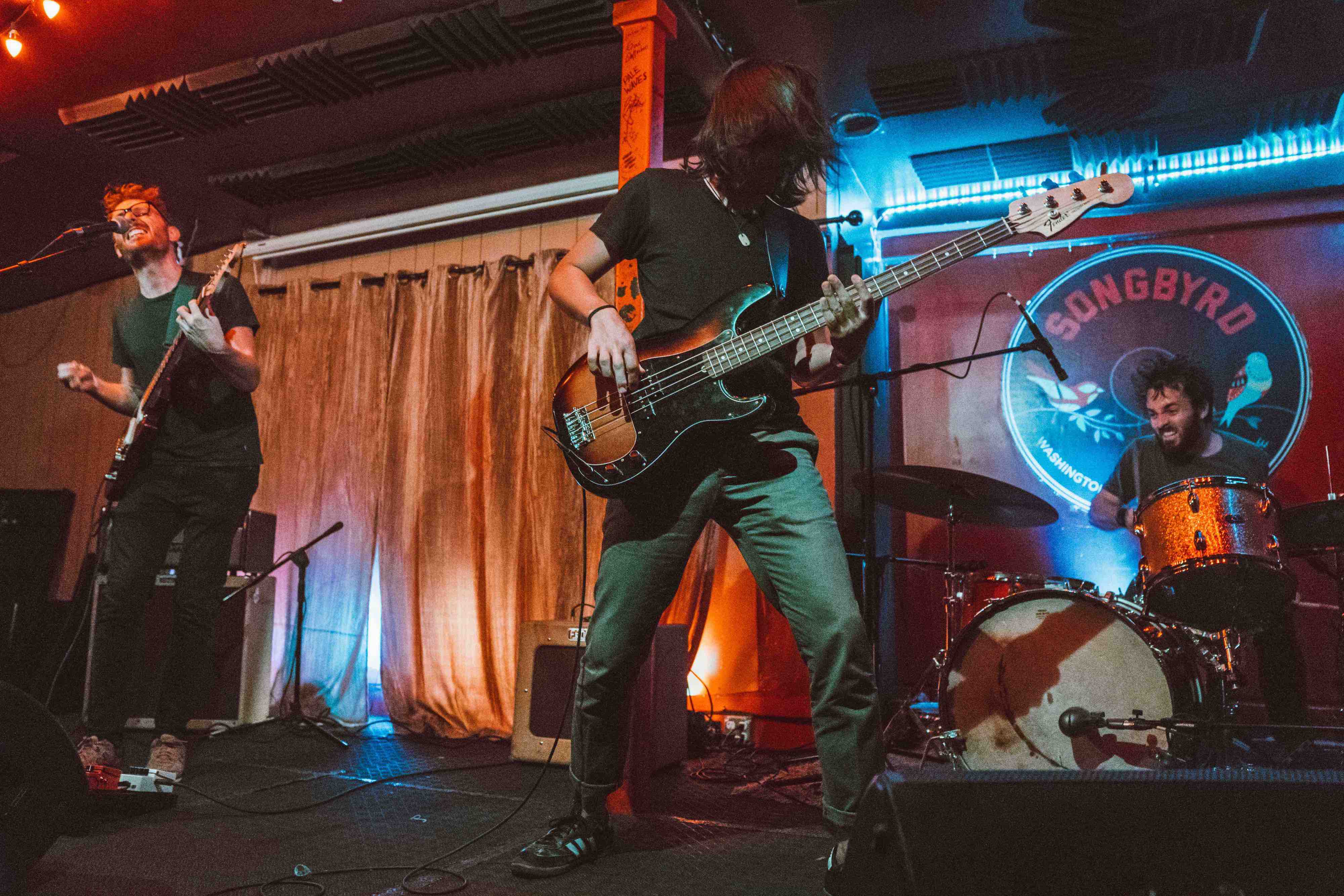
I was at Slash Run in Petworth with my friend Davis White. We were catching up over beers and nachos when suddenly our conversation was broken by a pulverizing guitar riff and pounding drums. “Hello. Who’s this?” — I remember wondering.

Davis told me the band was called Frend — “no ‘i’,” he pointed out.

I couldn’t recall the last time I heard a DC band pack so much power and intensity into its music with such a sharpened focus on craft. Here was a band not just interested in sheer power and might, but emotional heft and hooks. And it succeeded on all fronts — as a three-piece!

Make no mistake. Frend may be only three musicians — vocalist/guitarist James Keary, bassist Sarah Catoe and percussionist extraordinaire Ben Tufts — but this band is a force to be reckoned with. The band’s excellent EP, “Exercise Your Demons Pt 1,” which was recorded with an earlier line-up, highlights what makes the band so special: the quality of the songwriting.

And with its latest line-up, Frend are poised to scale even greater heights. I asked Frend vocalist/guitarist and songwriter (and DC-to-NYC-to-DC transplant) James Keary to tell me more about this most intriguing trio and what it’s like making music in the nation’s capital…

1) Let’s start with some band history. How did the band form and what led to your current line-up?

James: It’s hard to say exactly when Frend formed. I moved to DC four years ago for a failing relationship that crashed and burned horribly.  Out of those ashes, I wrote some songs about the experience and my feelings on it. I decided to write songs like no one was going to hear them so that I wasn’t afraid of what people might think. I had left New York and didn’t know any musicians in DC, so it was pretty easy to think that way. But, the content of the songs got deeper than I first anticipated. Not only was I writing about the relationship, I started writing about my depression, my anxiety and self loathing — not only as a way to understand what happened at the end of that relationship, which was pretty earth shattering for me at the time, but as a way to understand myself. I developed this new stream of conscious way of writing songs. I would write journal entries that would be pages long for days on my neurotic thoughts and feelings, and then all of a sudden a song would just pour out of me like blood from an open wound. It was through that process I felt like I had really found my voice both as a songwriter and as a person. I felt like I had found my power. 

frendlive

I became driven to form a band around the songs and this writing process. But I didn’t have anyone to play with at the time. When I first moved here, I didn’t have many friends. So I spent some time finding people, which was hard because I’m a total introvert. I eventually started playing with a drummer, Sam Aydlette, who was a friend of a friend. Sam was so enthusiastic about the music and is such a powerhouse on drums. We played a few shows as a two piece. At one show we met Ben Green, a producer/engineer who runs Ivakota Studios in Capitol Hill.  I asked to record with him. Shortly after that, we started practicing at 7DrumCity in Bloomingdale, where we met Nick Cruz who worked there. Nick popped his head in one practice and asked if we needed a bass player. A few weeks later the three of us were recording 10 songs at Ivakota with Ben.

Incidentally, Nick is an amazing guitar player who was playing jazz gigs over the city when we first met. We would play shows where Nick and I would switch guitar and bass mid-song, just so he could solo. But then, Sam and Nick left the band in early 2018. Nick moved to France and Sam didn’t have any time because he had a newborn baby on the way. After some time, Ben Tufts and Sarah Catoe joined Frend. Ben is a DC drum legend; he’s in several amazing DC bands, including FuzzQueen, Virginia Creep, Uptown Boys Choir, just to name a few. Incidentally, Ben had also popped his head into an early practice to ask to join the band. We couldn’t make our schedules work at that time. But this time we did. And Sarah Catoe is a super talented multi-instrumentalist who was in the South Carolina band Oicho Kabu before she moved to DC. She now plays bass with us. The three of us have been playing together for a few months now and it’s going great.

2) As someone who previously made music in NYC, how are you finding DC?

James: Both have their ups and downs in my opinion. The Brooklyn scene is very cliquish. It’s huge with so many practice spaces, recording studios, awesome venues, but mostly mediocre bands, at least when I was there. There are so many niche rock scenes, but nothing really ties it all together. Everyone’s very focused on “making it.” Since leaving NYC, I’ve been more focused on finding a community. The community here in DC is much more accepting, but very small, harder to find, and has no central location. There’s no single neighborhood where musicians congregate like Williamsburg or Greenpoint in Brooklyn. Everyone in those neighborhoods is in a band. When I first got to DC , I had no idea where to go. I couldn’t even find a practice space. Thank god for 7DrumCity, they’ve filled a void in this city.  I heard there used to be more practice spaces in the city 10-15 years ago, but they all seemed to have closed due to noise complaints, which is why 7DrumCity is so vital.

I have this theory, and this may just be my cynicism, but I think most major U.S. cities are heading this way — kicking out the artists and siloing them to the suburbs, and the internet/social media isn’t helping, it’s pushing us further apart instead of bringing us together. It’s something we, as artists, have to fight against. It seems that most DC bands are silo-ed out in the suburbs, practicing in their basements. As a result, no one knows anyone, except for online Facebook group interactions. But that doesn’t replace community. I think the sense of community is lacking here. I’m from DC, and felt that way even when I was growing up in the suburbs here. Coming back to it has been interesting though, because in small pockets, I have found it. Some musicians and artists I have met here are driven and have things that they care deeply about. And there are a few places that are doing some great things for the community, like 7DrumCity, Rhizome in Takoma Park, and Hole in the Sky in NE DC. One thing that is really exciting here is the founding of the label This Could Go Boom. I’m excited to see what they do and the bands they promote. The bands may not be as polished as the NYC bands, but the good ones here are way better than the bands I saw or played with in NYC.

3) You earned a master’s degree in Music, Music Technology from NYU Steinhardt — how do you see that shaping what you do with Frend?

James: I did some very interesting things in that program — I designed digital audio effects, learned how to compress audio files, wrote algorithmic music pieces for computers, sonified data sets of PET brain scans, composed pieces of music that were just white noise and digital audio effects and mixing techniques, but none of that has been incorporated into Frend yet. I can see incorporating some of that in the future, but for now not yet. I’m still too interested in guitar-based rock.

4) Playing live versus writing/recording — do you have a preference?

James: I appreciate them both differently because I think they are both different art forms.  I love the adrenaline rush of performing live — how no two performances are ever the same, and the performative aspect of it. I love trying to connect with people in the audience. And I love seeing people flip when they hear something they like. It’s so cathartic every time. I also love recording. A song can have so many performances, but only get one performance gets recorded, maybe more if you’re lucky. So that one performance always needs to be “the best” whatever that means.  It’s an illusion because even if you are trying to capture a “live sound” as Frend does, you are always doing things like overdubs to give it more presence. Sometimes in recordings you do things to make it seem live, but are not actually live, all to give a sense of emotional release — anything to serve the song’s mood. I love getting deep into that if I can. Although I do understand that can sometimes be a luxury that not all bands can afford, which is unfortunate because it’s so necessary in order to be taken seriously as a band. Your recording has to be pristine.

5) Any specific band plans or goals for 2019?

James: We have two EPs coming out, Exercise Your Demons Parts 2 and 3. Part 2 will be released early this February, and part 3 shortly thereafter. We also have a bunch of shows coming up listed on our social media. After that, I’m actually really psyched for more writing and I’m excited about expanding the band eventually.  I love big bands with many things going on — bands like the Polyphonic Spree and Sufjan Steven’s band. It’s a community in the band itself. Starting as a three-piece has really been an economic decision. But I want the band to build and evolve over the course of its existence. We will see what happens in 2019.

FrendExcerciseYourDemonds268x0w

Listen to and purchase “Exercise Your Demons Pt 1” via the Frend Bandcamp page.

Check out Frend at WE FOUGHT THE BIG ONE on Friday, Jan. 4th!